Sleep, Stress, and Hormones: Why You’re Wired and Tired

Understanding sleep disruption during the menopause transition
There may be more than one reason you are awake
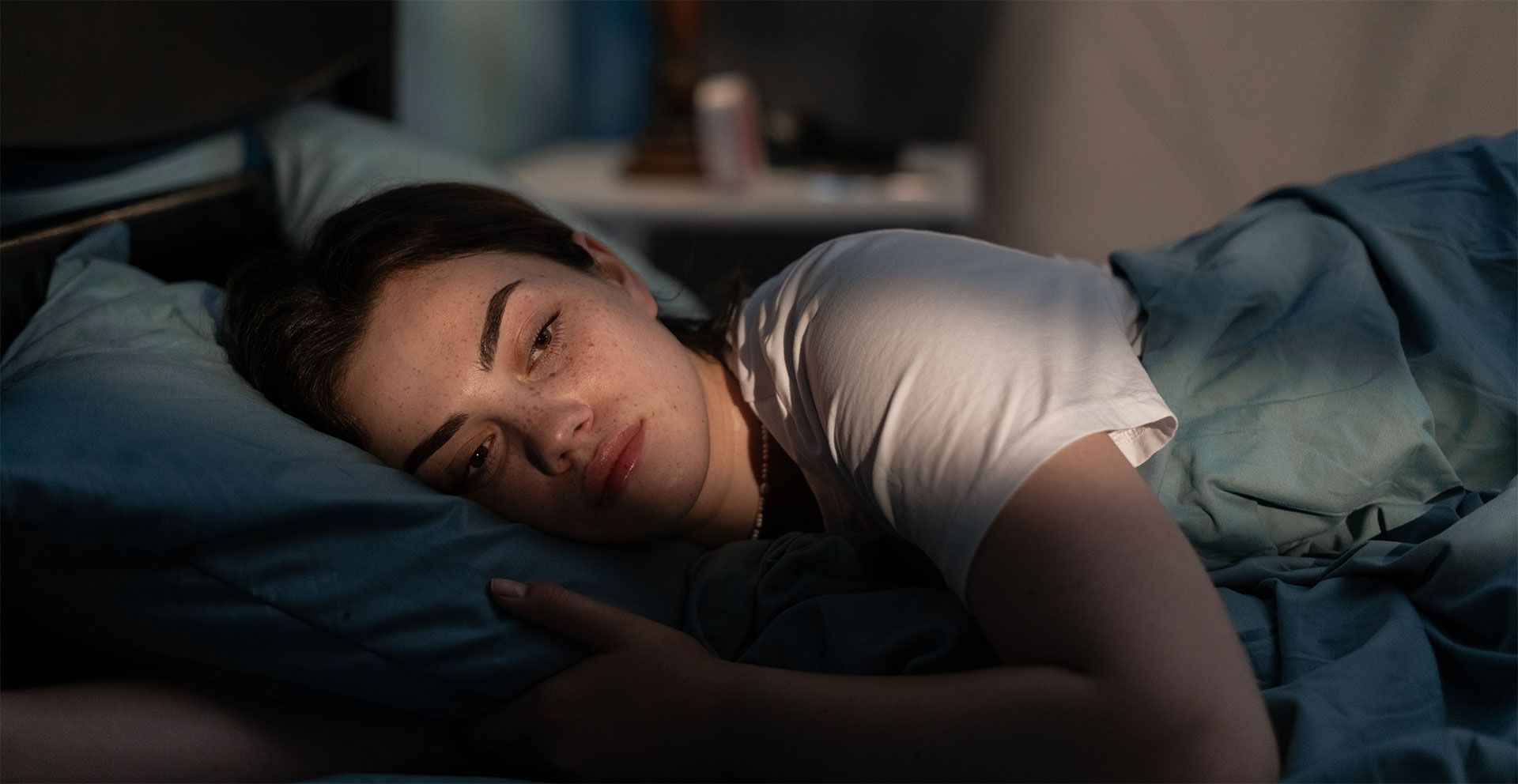
Many people notice sleep changes during perimenopause and menopause. Night sweats or hot flashes can wake you; stress, pain, mood changes, medications, and conditions such as sleep apnea can also interfere. Poor sleep can then make the next day feel harder, which may add to the sense of being wired and tired.
Cortisol is a normal hormone that follows daily rhythms and responds to many signals. It is tempting to blame every restless night on ‘high cortisol,’ but fatigue and insomnia do not by themselves diagnose a cortisol disorder. A clinician can help decide whether a medical evaluation is needed instead of relying on broad hormone panels or supplements marketed to ‘balance’ cortisol.
Try one small change consistently
You do not need a perfect nighttime routine. Pick one step you can repeat for a week: keep wake-up time steady, make the room cooler if night sweats are an issue, move caffeine earlier, or leave a little quiet time before bed. If alcohol seems to help you fall asleep, remember it can make staying asleep harder. Regular daytime movement may also support sleep; try not to schedule strenuous exercise close to bedtime if it keeps you alert.
If you wake up and feel frustrated, a quiet, low-light activity can be easier than watching the clock. Keep your phone out of bed if scrolling tends to stretch the night. For ongoing insomnia, cognitive behavioral therapy for insomnia (CBT-I) is an evidence-based treatment worth asking about.
Get help when sleep problems persist
Talk with a clinician if sleep problems continue, affect your safety or daily functioning, or come with loud snoring, gasping, severe mood symptoms, or significant daytime sleepiness. If night sweats and hot flashes are driving awakenings, ask about treatment options and their individual benefits and risks. Hormone therapy is one possible option for some people, but it is not the only approach and is not right for everyone.
You do not have to solve every contributor at once. Start by describing what happens at night, what you notice during the day, and how long it has been going on. That gives your clinician a clearer place to begin.
Contact Us Today
At Panacea Health Haven, sleep, stress, symptoms, medications, and hormone changes are considered together. Learn about personalized midlife care at
panaceahealthhaven.com.